
Creatine for Concussion Recovery: What Does the Evidence Actually Say?
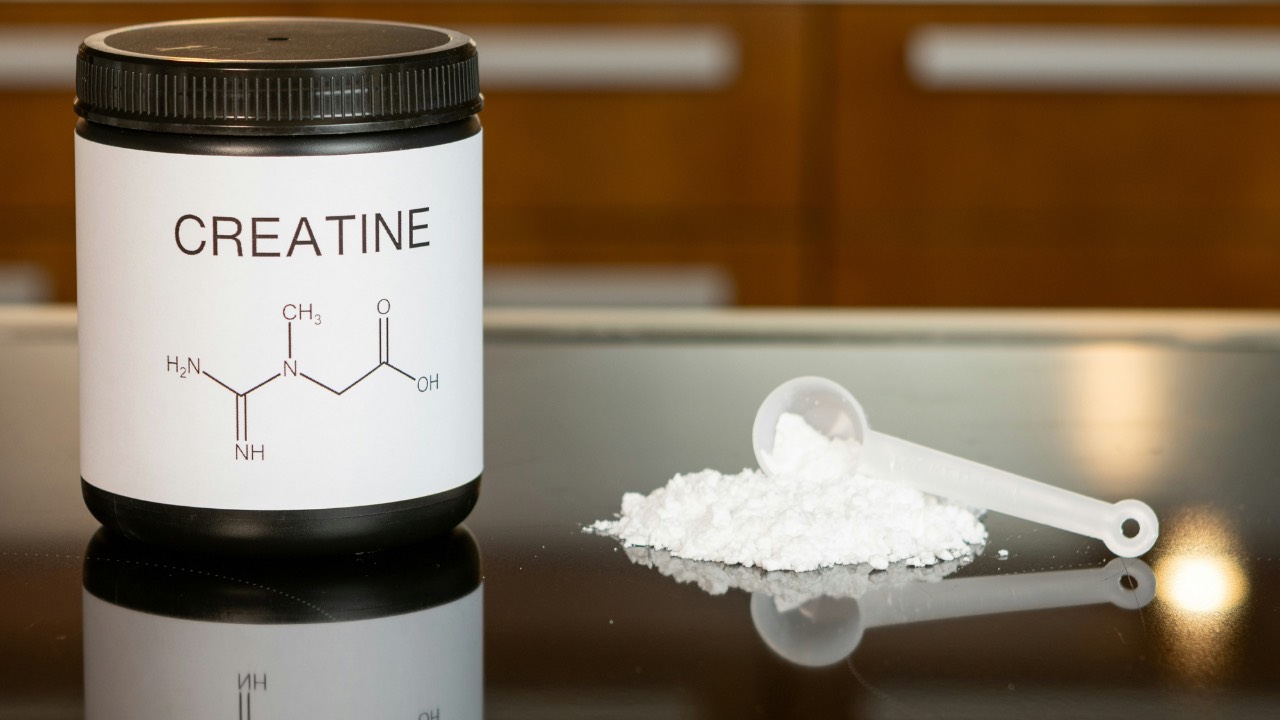
Interest in creatine for concussion recovery continues to grow among clinicians, athletes, and patients looking for strategies to support brain healing. As providers managing concussion, prevention remains foundational. When injury occurs, however, the focus shifts to a key question:
What physiologic environment best supports neurologic recovery?
Evidence-based concussion management emphasizes education, graded return to activity, sleep optimization, autonomic regulation, and targeted rehabilitation. Increasingly, patients also ask about supplements. As a result, clinicians need clarity on whether creatine for concussion recovery is biologically plausible, clinically useful, or still theoretical.
Why Consider Creatine for Concussion Recovery?
Creatine is widely known for its role in muscle performance, but it also plays an important role in cerebral energy metabolism.
Following concussion, the brain undergoes a neurometabolic cascade characterized by:
-
Increased energy demand
-
Mitochondrial dysfunction
-
Altered glucose metabolism
-
Ionic shifts
-
Oxidative stress
Creatine supports ATP regeneration via the phosphocreatine system. The rationale for creatine for concussion recovery is that improved cellular energy buffering may enhance neuronal resilience during this metabolically vulnerable period.
The mechanism is sound. The clinical evidence remains less definitive.
Evidence for Creatine in Brain Injury
Animal Models
Animal studies involving pre injury creatine loading have demonstrated reduced cortical damage and improved bioenergetic stability following traumatic brain injury. These findings are compelling but involve controlled models and pre injury supplementation, limiting generalizability to real world sport concussion.
Pediatric Moderate to Severe TBI
Small studies in pediatric moderate to severe traumatic brain injury populations have reported:
-
Reduced post traumatic amnesia
-
Improved cognitive recovery markers
-
Shorter ICU stays in some cohorts
These results are encouraging but involve more severe injury patterns and small sample sizes. Extrapolation to mild traumatic brain injury must be cautious.
Adult Concussion and Mild TBI
High quality randomized trials evaluating creatine for concussion recovery in adult mild TBI remain limited. Ongoing research is exploring neuroprotective potential and brain bioenergetic modulation, but clear guidance on dosing, timing, and patient selection has not yet been established.
Timing: Protective or Therapeutic?
A key nuance in the literature is timing. Many studies demonstrating benefit involve creatine supplementation prior to injury.
This raises an important distinction: is creatine for concussion recovery more protective than therapeutic?
While maintaining adequate creatine stores in high risk athletes is biologically plausible, strong human evidence supporting creatine as an acute post concussion intervention is still emerging.
Creatine and Vestibular Considerations
For clinicians working with vestibular and post concussion populations, it is worth noting that concussion frequently involves both cortical and vestibular system disruption.
At present, there is no strong evidence that creatine directly improves vestibular function, peripheral vestibular injury, or central vestibular processing. Any theoretical benefit would likely relate to global neuronal energy support rather than specific vestibular pathway enhancement.
In other words, while creatine for concussion recovery may support overall brain bioenergetics, it should not be viewed as a targeted vestibular intervention. Vestibular rehabilitation, cervical assessment, and graded exposure remain primary when vestibular symptoms are present.
Scope of Practice and Clinical Responsibility
Supplement guidance may not fall squarely within every clinician’s scope of practice. Depending on jurisdiction and professional regulation, prescribing or formally recommending supplements may warrant collaboration with or referral to:
-
A physician
-
A registered dietitian
-
A pharmacist
-
Another qualified health care provider
That said, patients will ask. Being informed about creatine for concussion recovery allows us to provide general, evidence-informed information, clarify current limitations, and guide patients toward appropriate referral when more detailed nutritional counseling is needed.
Remaining silent on the topic can create confusion. Providing balanced education supports patient trust.
Practical Clinical Approach
Given the current evidence, a reasonable approach includes:
-
Acknowledging patient interest
-
Explaining biologic plausibility
-
Clarifying the limits of human data
-
Reinforcing that supplements are adjuncts, not primary treatment
The pillars of concussion recovery remain:
-
Early education and reassurance
-
Vestibular and cervical assessment when indicated
-
Sleep optimization
-
Stress regulation
-
Graduated return to activity
Creatine, if considered, complements but does not replace these strategies.
Where the Evidence Leaves Us
Creatine for concussion recovery is grounded in sound neurophysiology. Supporting brain energy metabolism during metabolic vulnerability is a rational therapeutic target.
However, robust clinical trials in adult mild traumatic brain injury are still needed. At present, creatine should be framed as biologically promising but not definitively proven.
We hope this review helps clarify what is known, what remains uncertain, and where future research may provide stronger direction. It will be valuable to see whether upcoming trials define optimal dosing and timing, or demonstrate a more limited role than early theory suggests.
Until then, creatine for concussion recovery should be viewed as a potential adjunct within comprehensive, evidence-based rehabilitation.
References
Wyss M, Kaddurah-Daouk R. Creatine and creatinine metabolism. Physiol Rev. 2000 Jul;80(3):1107-213.
Author

Kregg Ochitwa
Physical Therapist I Vestibular Therapist I Clinic Owner
Categories
All Categories