
Blog
Persistent Concussion Symptoms: Are We Assessing Everything the Neck Actually Does?
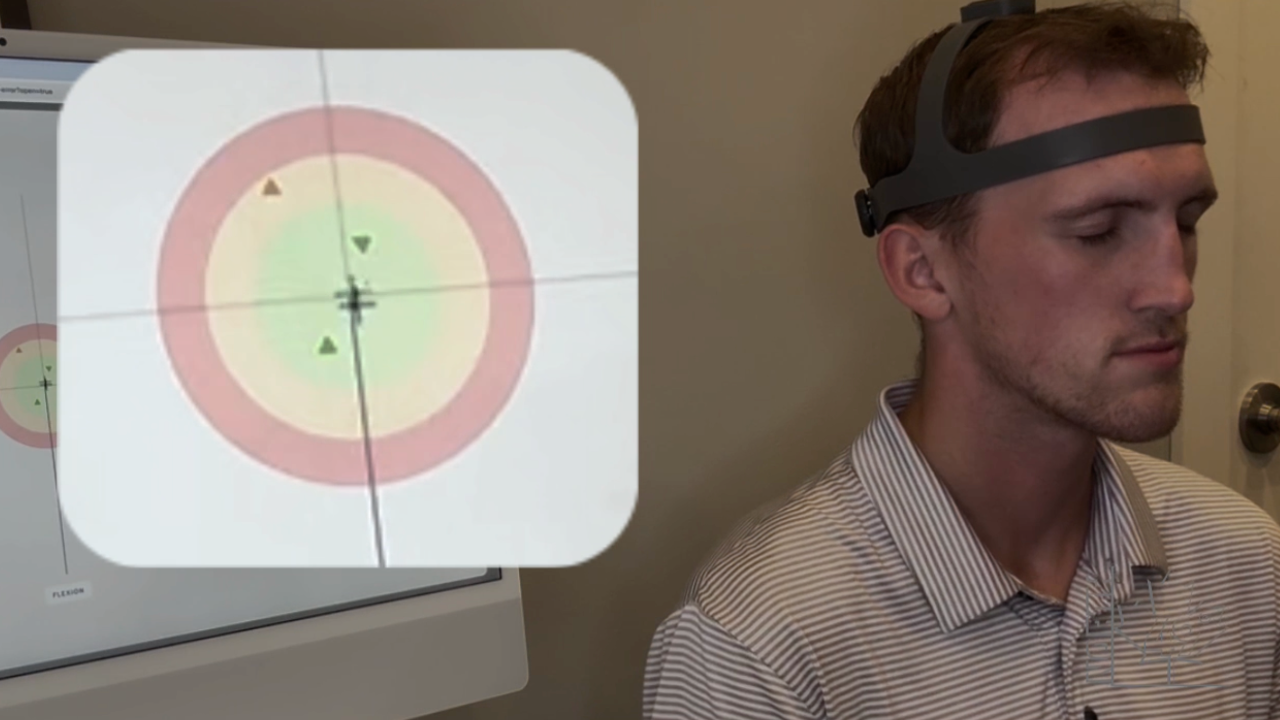
An athlete is four weeks post-concussion.
Their recovery has plateaued. They continue to experience headaches, dizziness, imbalance, visual complaints, or difficulty progressing back to sport.
At this point, it is easy to assume the remaining symptoms are still coming from the brain.
But here's a question worth asking:
What are the chances the neck was injured too?
The forces involved in concussion do not necessarily affect the brain in isolation. Rapid acceleration, deceleration, and rotation of the head also place considerable demands on the cervical spine.
If enough force was transmitted to produce a concussion, is it reasonable to assume the neck escaped injury?
The challenge is t...
Can Convergence Exercises Cause Harm After Concussion?
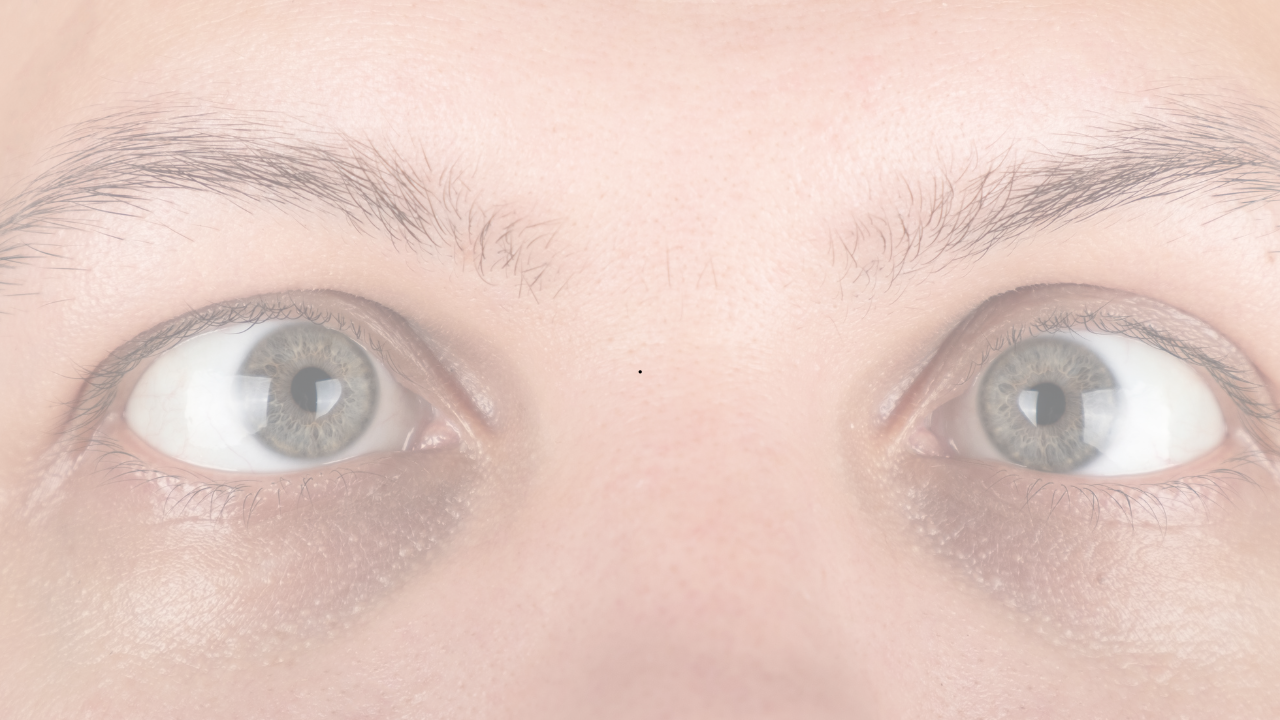
What the latest evidence says about Brock String therapy, convergence insufficiency, and spasm of the near reflex
A lot of us have been taught convergence exercises such as Brock String and pencil push-ups at courses related to concussion and vestibular rehabilitation.
Recently, however, concerns have emerged suggesting these exercises may worsen visual dysfunction or even cause permanent damage.
Given this, I thought it would be prudent to revisit the literature and see what the evidence actually says.
The short answer?
Current evidence does not support permanent structural visual or neurological harm from convergence exercises.
In fact, the newest concussion-specific research suggest...
Creatine for Concussion Recovery: What Does the Evidence Actually Say?
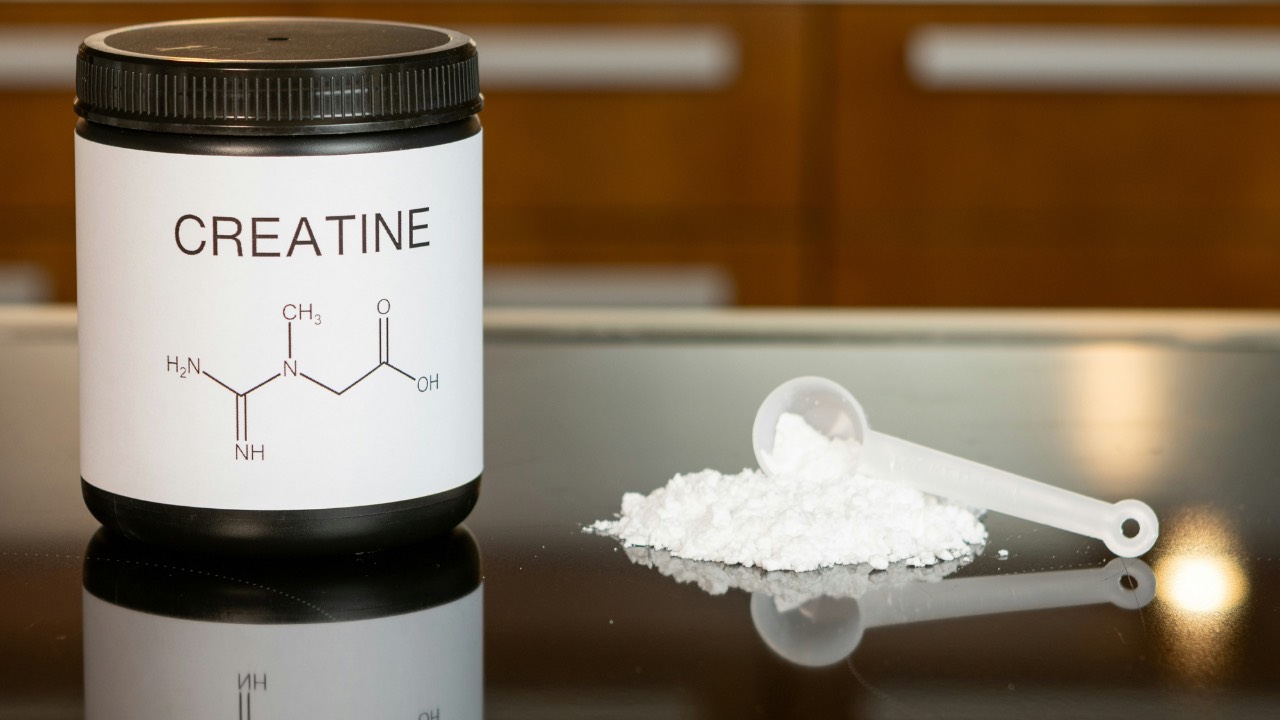
Interest in creatine for concussion recovery continues to grow among clinicians, athletes, and patients looking for strategies to support brain healing. As providers managing concussion, prevention remains foundational. When injury occurs, however, the focus shifts to a key question:
What physiologic environment best supports neurologic recovery?
Evidence-based concussion management emphasizes education, graded return to activity, sleep optimization, autonomic regulation, and targeted rehabilitation. Increasingly, patients also ask about supplements. As a result, clinicians need clarity on whether creatine for concussion recovery is biologically plausible, clinically useful, or still theor...
Author

Kregg Ochitwa
Physical Therapist I Vestibular Therapist I Clinic Owner
Categories
All Categories