
Blog
Persistent Concussion Symptoms: Are We Assessing Everything the Neck Actually Does?
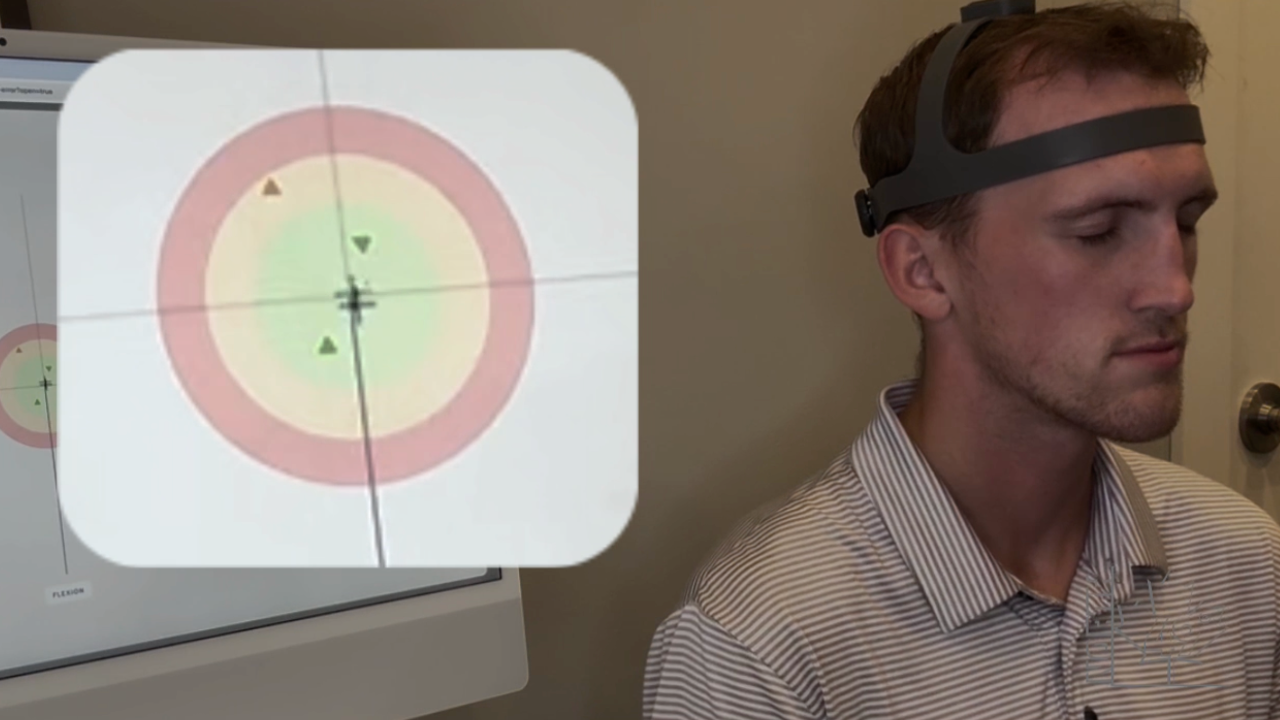
An athlete is four weeks post-concussion.
Their recovery has plateaued. They continue to experience headaches, dizziness, imbalance, visual complaints, or difficulty progressing back to sport.
At this point, it is easy to assume the remaining symptoms are still coming from the brain.
But here's a question worth asking:
What are the chances the neck was injured too?
The forces involved in concussion do not necessarily affect the brain in isolation. Rapid acceleration, deceleration, and rotation of the head also place considerable demands on the cervical spine.
If enough force was transmitted to produce a concussion, is it reasonable to assume the neck escaped injury?
The challenge is t...
Idiopathic Intracranial Hypertension: A Clinician's Guide to Diagnosis & Management
Every vestibular therapist has encountered the patient whose dizziness simply doesn't fit.
Vestibular testing is largely unremarkable, yet the patient reports persistent headaches, motion sensitivity, visual complaints, and imbalance. They may have already been diagnosed with vestibular migraine, Persistent Postural-Perceptual Dizziness (PPPD), cervicogenic dizziness, or even anxiety, but something about the presentation feels atypical.
One diagnosis that deserves a place on the differential is Idiopathic Intracranial Hypertension (IIH).
Although IIH is relatively uncommon, recognizing it is critically important because delayed diagnosis can result in permanent visual loss. As vestibular...
Can Convergence Exercises Cause Harm After Concussion?
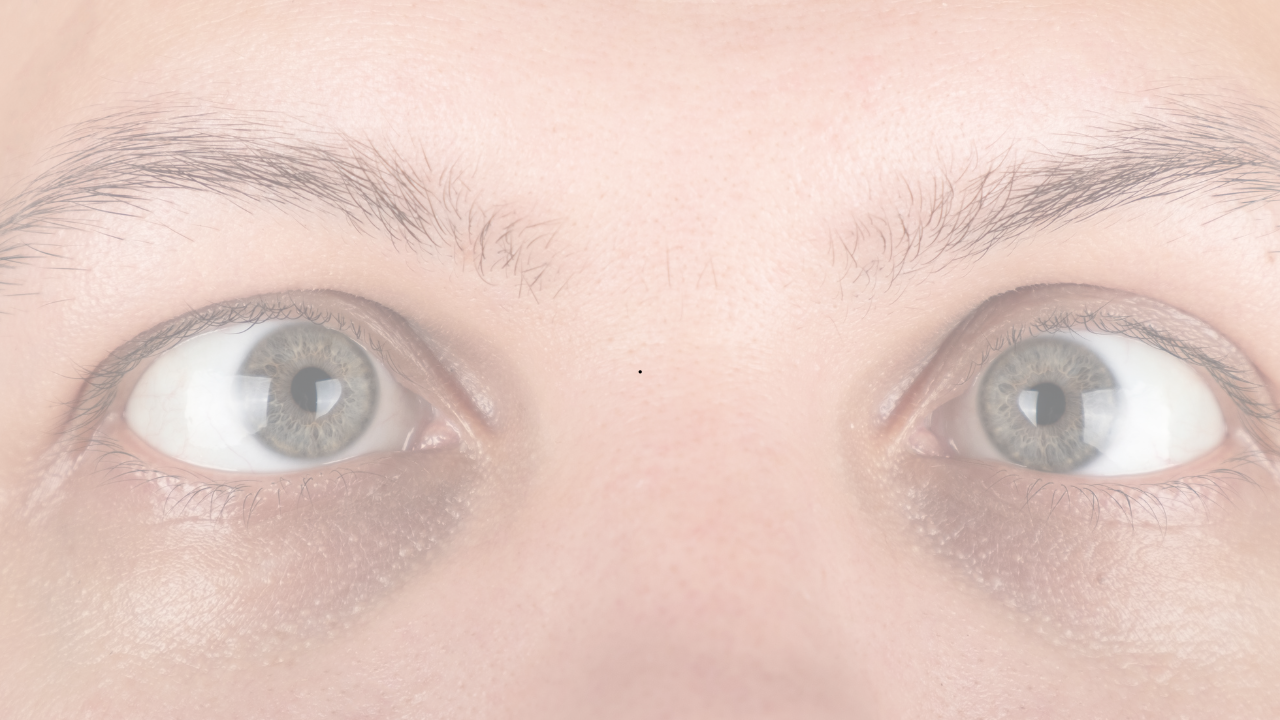
What the latest evidence says about Brock String therapy, convergence insufficiency, and spasm of the near reflex
A lot of us have been taught convergence exercises such as Brock String and pencil push-ups at courses related to concussion and vestibular rehabilitation.
Recently, however, concerns have emerged suggesting these exercises may worsen visual dysfunction or even cause permanent damage.
Given this, I thought it would be prudent to revisit the literature and see what the evidence actually says.
The short answer?
Current evidence does not support permanent structural visual or neurological harm from convergence exercises.
In fact, the newest concussion-specific research suggest...
Atypical BPPV: Understanding Posterior Canal BPPV Variants

Most clinicians are comfortable treating classic posterior canal BPPV.
Horizontal Canal BPPV Apogeotropic: Rethinking Treatment
Most of us were taught and continue to be taught that sustained apogeotropic nystagmus indicates cupulolithiasis when the lateral canal is involved.
But what if that’s not necessarily true?
In this blog I want to take you on a brief journey and challenge what we’ve traditionally been taught about these presentations.
Understanding Horizontal Canal BPPV
I think that we can all agree that when positional testing (i.e. Supine Roll, Dix-Hallpike, Sidelying, Bow & Lean) produces horizontal nystagmus, we are most often dealing with horizontal canal BPPV. It’s important to remember that positional nystagmus can also be seen with conditions such as light cupula or central causes.
The classic p...
Pupillary Assessment With Infrared Goggles: A Vestibular Therapist’s Guide
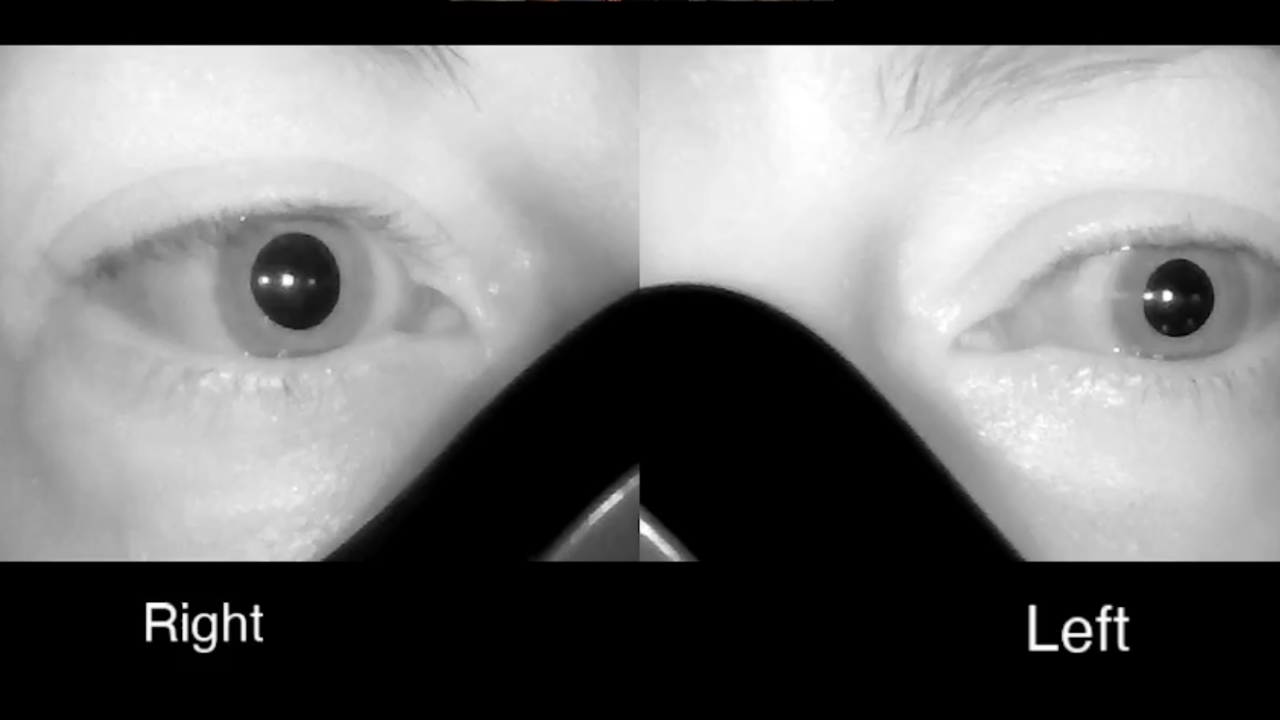
Many vestibular clinicians capture eye movements routinely, but what if your infrared goggles were revealing clues about autonomic nervous system function, not just nystagmus?
A chiropractor friend of mine recently sent me a recording of a patient with atypical positional nystagmus, one of those cases where the eye movements do not follow the usual “BPPV patterns.” We worked through the positional findings and landed on a reasonable clinical interpretation and plan.
My friend who shared the recording is an exceptionally sharp clinician, currently working on his PhD, with deep expertise in the autonomic nervous system. What really caught my attention was his notes stating:
Cranial Nerve...
Lateral Canal Light Cupula: A Case-Based Clinical Reasoning Journey
Lateral canal light cupula can closely mimic lateral canal BPPV, yet it often fails to respond to canalith repositioning or liberatory maneuvers. This case study explores diagnostic features, migraine susceptibility, and clinical reasoning that supports conservative management and an excellent prognosis.
Understanding Light Cupula in the Lateral Canal
Benign paroxysmal positional vertigo (BPPV) is commonly conceptualized as a mechanical disorder driven by free-floating otoconia. In most cases, canalith repositioning maneuvers are highly effective. However, not all gravity-dependent positional nystagmus reflects classic canalithiasis.
Light cupula of the lateral canal represents a cupula-d...
HINTS Plus Test to Differentiate Stroke from Vestibular Neuritis
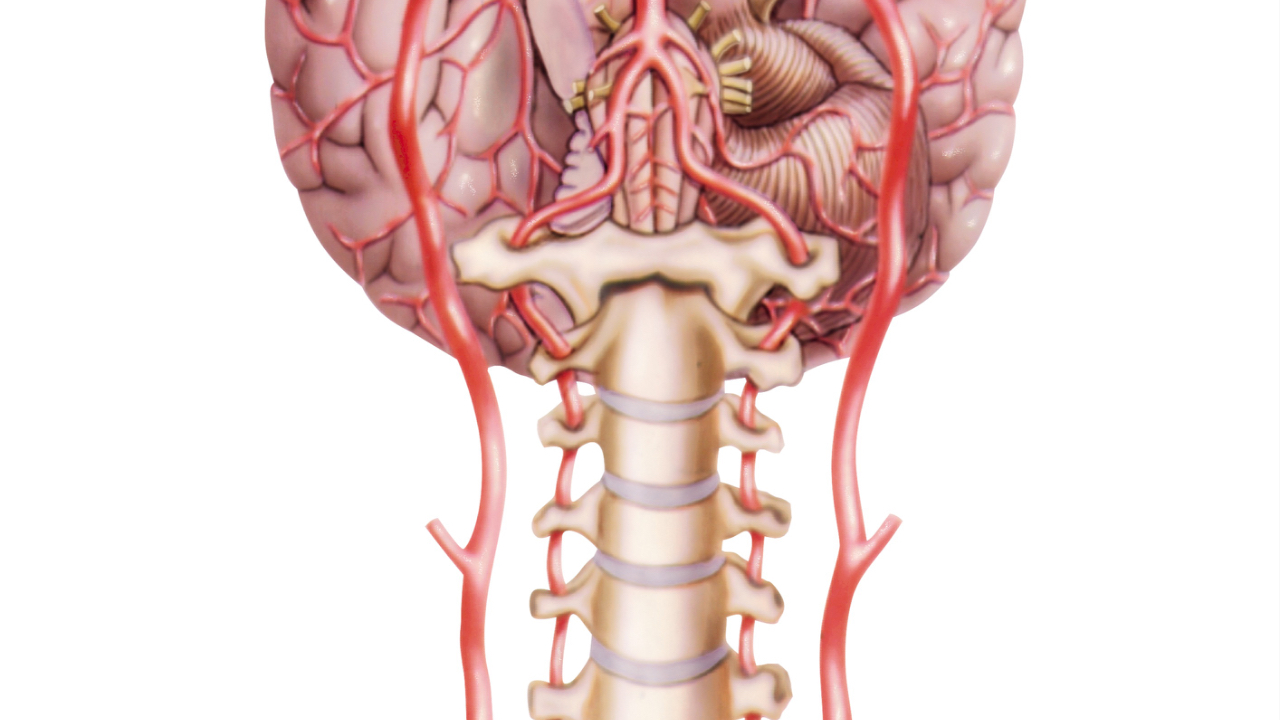
Have you ever seen a patient with acute dizziness and wondered whether it could be a stroke? You’re not alone. Distinguishing between a central cause such as a posterior circulation stroke and a peripheral cause like vestibular neuritis can be challenging, especially in the emergency setting.
That’s where the HINTS plus test comes in. This powerful bedside tool helps clinicians determine whether acute dizziness is due to a stroke or a vestibular disorder and it’s been shown to outperform early MRI when used correctly.
In this post, we’ll outline what the HINTS plus test is, how to perform each step, how to interpret the findings, and when to use it in practice.
What Is the HINTS Plus Tes...
Vestibular Forensics: The Vestibular System and Spatial Disorientation
Most of us do not think about the vestibular system until something goes wrong. Yet this hidden sensory system works constantly in the background, keeping us upright, stabilizing our vision when we move our head, and even helping regulate blood pressure when we change posture. However, when vestibular input is impaired, the consequences can be profound: dizziness, disorientation, blurred vision, or even catastrophic accidents in aviation and spaceflight.
Understanding the vestibular system and spatial disorientation not only improves clinical care, but also explains why pilots crash, why astronauts get sick, and why patients describe feeling like they do.
The Vestibular System and Its Role...
Pediatric Vestibular Assessment: A Guide for Clinicians

Why Pediatric Vestibular Assessment Matters
Pediatric vestibular assessment is an often-overlooked area in clinical practice. Yet research shows that nearly 50% of children with hearing loss have some degree of vestibular dysfunction (Cushing et al., 2013; Verbecque et al., 2017). Risk is higher in children with:
-
Severe hearing loss (>66 dB)
-
Structural inner ear anomalies (e.g., enlarged vestibular aqueduct)
-
Congenital cytomegalovirus
-
Usher syndrome type 1
-
Meningitis or temporal bone fracture
-
Ototoxic medication exposure
Undetected vestibular loss in children can lead to gross motor delays, poor postural control, academic challenges, and limited partici...
Author

Kregg Ochitwa
Physical Therapist I Vestibular Therapist I Clinic Owner
Categories
All Categories